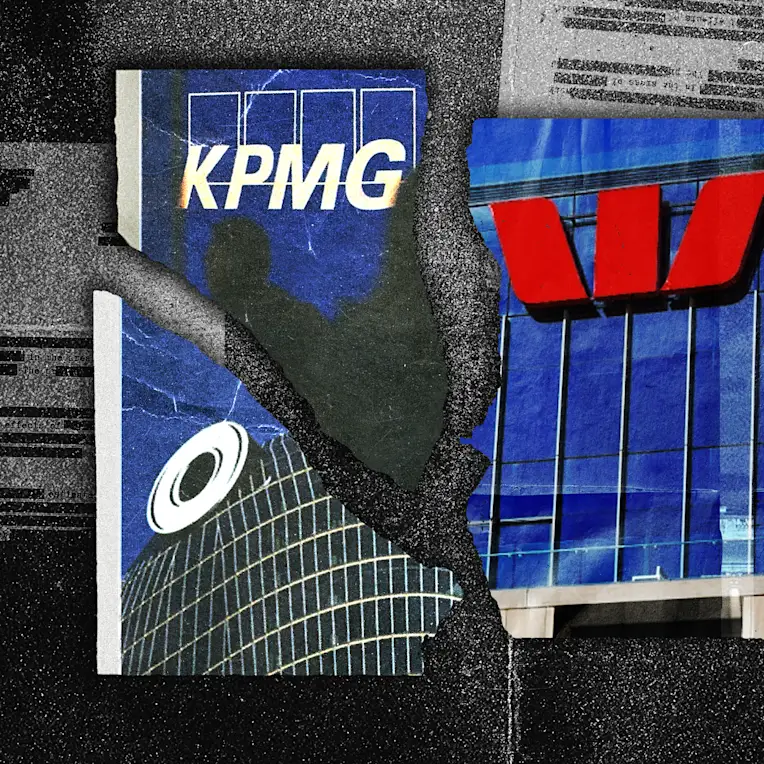
KPMG's Audit Scandal: A Deeper Betrayal Than PwC's Tax Leaks?
A recent article suggests that KPMG's alleged audit scandal, involving the misuse of confidential client information, could be more damaging than PwC's tax leak controversy. The core issue revolves around a fundamental breach of trust, as KPMG is accused of leveraging sensitive data from a long-standing client to secure new business. This raises existential questions about the integrity of professional services firms and the foundational trust they are built upon.
The Gravity of KPMG's Alleged Breach
The article highlights a critical distinction between KPMG's current predicament and PwC's recent tax leak scandal. While PwC's issue involved the misuse of confidential government tax policy information, KPMG is accused of exploiting private board papers from a long-term audit client, Lendlease, to gain an unfair advantage in securing new engagements with other companies like Macquarie and Westpac. This alleged act represents a profound betrayal of client trust, which is the bedrock of the audit profession. The implication is that if an auditor cannot be trusted with a client's most sensitive financial and strategic information, the entire system of assurance is undermined.
Erosion of Foundational Trust
The fundamental question posed by this scandal is whether such actions destroy the foundational trust required to operate a professional services firm. For internal audit and assurance professionals, this case serves as a stark reminder of the paramount importance of confidentiality and ethical conduct. The alleged misuse of client data, particularly from a relationship spanning nearly seven decades, suggests a systemic failure in upholding professional standards and safeguarding sensitive information. This incident could have far-reaching consequences, potentially leading to increased scrutiny from regulators and a significant loss of confidence from the public and corporate clients alike.
Lessons for Internal Audit and Assurance
This situation underscores several critical lessons for internal audit and assurance functions:
- Robust Confidentiality Protocols: The need for stringent policies and controls around client data, ensuring that sensitive information is not only protected from external threats but also from internal misuse.
- Ethical Culture: The importance of fostering a strong ethical culture where integrity and client trust are non-negotiable values, reinforced through training and leadership.
- Independent Oversight: The necessity of independent oversight and internal controls to prevent and detect potential conflicts of interest or the leveraging of confidential information for competitive gain.
Ultimately, the KPMG scandal, if proven, could redefine the boundaries of acceptable conduct within the professional services industry, emphasizing that the betrayal of client trust, especially concerning core audit engagements, carries a heavier weight than even significant regulatory breaches.
Read more
